
Our Team
Meet the Team
Light & Sol brings together clinicians with backgrounds across psychology, allied health, education, and disability support.

Sarah Naylor
Founder & Director | Registered Psychologist
Sarah founded Light & Sol to bring psychological understanding and practical support to people facing complex challenges. She leads the team’s clinical work across psychology and specialist behaviour support, with attention to the person’s experiences, relationships and environment.
Sarah has a particular passion for working with women affected by domestic abuse, coercive control and relationships that undermine confidence and autonomy. She helps women recognise patterns of manipulation and control, understand their impact and rebuild confidence in their own perceptions and decisions.
Her commitment to this work is both professional and personal. Hard-won lessons about power, boundaries and self-trust have shaped her understanding of how people can become disconnected from their own judgement - and what it takes to recover a sense of agency. She draws thoughtfully on those insights where they can offer perspective, while keeping each woman’s circumstances and priorities central.
Compassionate and direct, Sarah supports women to articulate experiences that may have been dismissed or difficult to explain, strengthen their boundaries and make informed choices about their lives.
Lucy Clark
Behaviour Support Practitioner Complex Behaviour, Relationships & Team Support
Lucy is an experienced Behaviour Support Practitioner who brings warmth, energy and strong interpersonal skills to her work. She has particular strengths in working with people whose support needs are complex, and in helping families and teams make sense of behaviour that can feel challenging, overwhelming or difficult to understand.
Lucy builds relationships easily and has a natural ability to connect with participants, families and the people supporting them. She takes time to understand the person behind the behaviour — their history, relationships, environment, communication and the experiences that may be influencing what is happening now.
A particular strength of Lucy’s work is her ability to bring people together. She works collaboratively with families, support workers, allied health professionals and broader care teams to develop a shared understanding of behaviour and create practical, consistent approaches to support. She understands that even a strong Behaviour Support Plan will have limited impact if the people implementing it do not feel confident, supported and clear about what to do.
Lucy is an engaging and confident facilitator who particularly enjoys training and capacity building. She is skilled at translating Behaviour Support concepts into language that feels practical and relevant, helping teams understand not only what they are being asked to do, but why it matters. Her approachable style encourages discussion, reflection and genuine engagement from the people she works alongside.
Lucy combines compassion with a willingness to have important conversations when something is not working. She advocates strongly for participants and takes a rights-based, person-centred approach, while recognising the pressures that families and support teams can experience when supporting someone with complex needs. Her work focuses on understanding the function and meaning of behaviour and developing positive, sustainable strategies that improve safety, participation, relationships and quality of life.

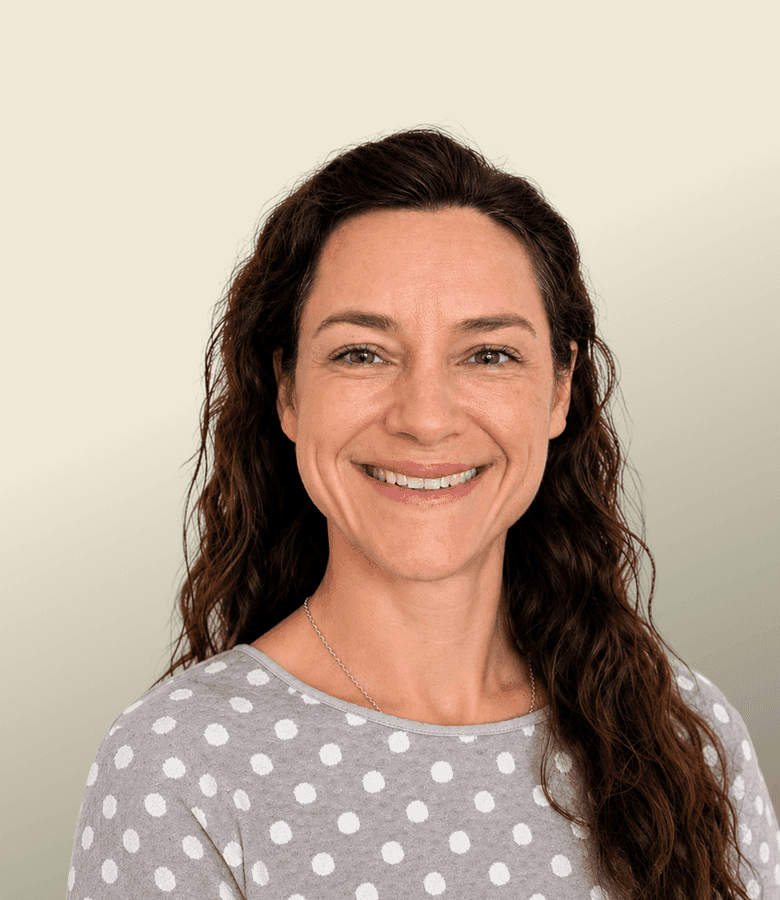
Jenny Morey
Behaviour Support Practitioner | Children, Education & Complex Communication
Jenny brings more than 20 years of professional experience across education, disability and health, with a particular interest in supporting children and young people with complex support needs.
A qualified secondary school teacher, Jenny has extensive experience across both mainstream and special education, working with students from Prep through to Year 12. This gives her a valuable understanding of how communication, learning, sensory needs, relationships and the environment can influence behaviour — both at home and within educational settings.
Jenny has particular experience supporting children and young people with complex communication needs, including those who use Augmentative and Alternative Communication (AAC).
Within Behaviour Support, she brings a strong communication and educational lens, looking beyond the behaviour itself to understand what a child may be communicating, what is happening around them, and what needs to change to better support their participation, wellbeing and quality of life.
Her approach is practical and collaborative. Jenny works closely with families, educators, support workers and other professionals to develop strategies that make sense in the environments where a child actually lives and learns.
She places particular emphasis on building the confidence and capability of the people around the child, so that positive change can be understood, implemented and sustained.
Jenny is direct, thoughtful and genuinely on your side. She advocates strongly for the people she supports and is not afraid to ask important questions or raise concerns when a participant’s needs or rights may be overlooked.
She combines high professional standards with warmth, fairness and a genuine desire to achieve meaningful outcomes. As an AHPRA-registered osteopath, Jenny also brings an understanding of neurology, pain, physical and sensory regulation, and the ways these factors can influence behaviour. This multidisciplinary background allows her to consider the whole person rather than behaviour in isolation.
Qualification & Key Strengths

Maxwell
Professional Counsellor Grief, Trauma & Life Transitions
Languages:
English | Italian | Igbo
Maxwell brings a warm, grounded and thoughtful approach to counselling, with particular experience supporting people through grief, loss, anxiety, depression, trauma and significant periods of change.
He creates space for people to talk openly about difficult experiences without feeling judged, rushed or reduced to a diagnosis. His approach is practical and deeply individualised. Maxwell understands that emotional wellbeing does not exist in isolation — relationships, family, culture, community, identity and life experiences all shape how we cope with adversity and make sense of what has happened to us.
Drawing on CBT, ACT, Person-Centred, Solution-Focused and Narrative Therapy, Maxwell adapts his approach to the individual rather than working from a fixed formula.
He supports people to understand patterns in their thoughts, emotions and relationships, recognise their existing strengths and develop practical ways of moving forward.
Maxwell has a particular interest in grief and loss and understands that grief can extend far beyond bereavement. Loss can accompany changes in relationships, family, health, identity, independence, work and major life transitions.
His calm and compassionate approach allows difficult experiences to be explored at the person's own pace. Maxwell also brings valuable cultural and community understanding to his work. Speaking English, Italian and Igbo, he understands the importance of family, community, culture and belonging in shaping a person's experiences and the way they seek and receive support.
He works thoughtfully with people from diverse cultural backgrounds, recognising that effective counselling needs to make sense within the person's own world.
Qualification & Key Strengths

